Scientists finally crack how the Romans made a cup that changes colour – it only took 1,600 years
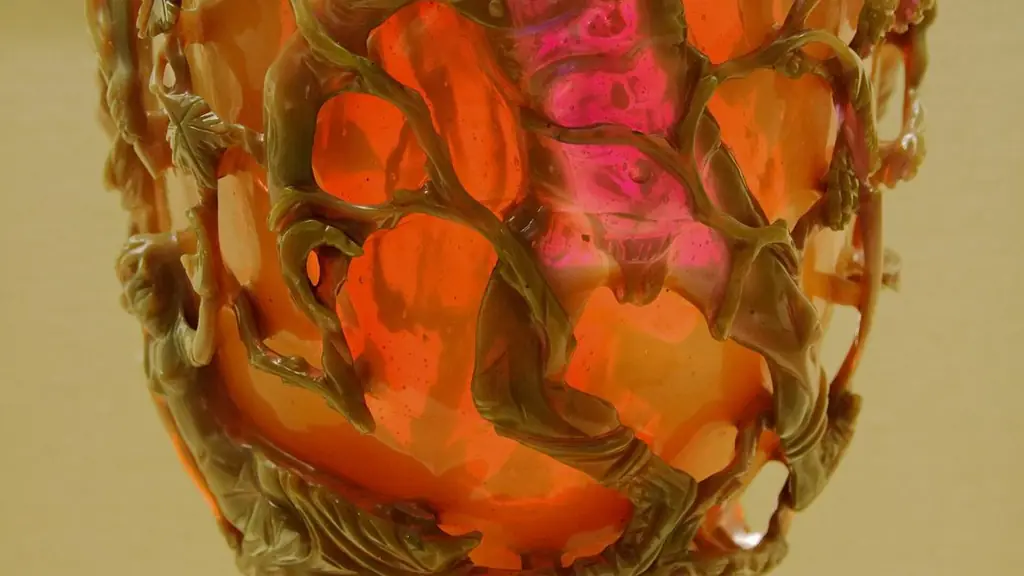
The Lycurgus Cup is green in normal light and blood red when lit from behind. Sheffield researchers have now worked out how to make the trick glass themselves.
Some ancient Roman technology – roads, aqueducts, central heating – we’ve rather got the hang of. Their party glassware, it turns out, took a bit longer.
The Lycurgus Cup, a 4th-century goblet in the British Museum, is jade green in ordinary light but glows ruby red when lit from behind. It has been called one of the seven glass wonders of the world, and for a very long time nobody could reliably make anything like it.
Now a team at the University of Sheffield, led by Dr Lisa Hollands and Prof Caroline Jackson, has recreated the effect. The secret is a dash of gold and silver nanoparticles suspended in the glass – which, to be clear, the Romans managed without microscopes, chemistry degrees or the word “nanoparticle”.
“It’s magic,” said Hollands, who admits the Romans would probably find her efforts hilarious: “If the Romans could have seen me experimenting, they’d probably laugh and ask: ‘Why does she not know how to make this?’”
UCL’s Ian Freestone reckons Roman glassmakers simply “hit the jackpot”, since the colour is fussy about exactly where the glass sits in the furnace.
Glass artist Elliot Walker has made a sculpture using the rediscovered recipe. It goes on show at Sheffield’s Millennium Gallery during the Festival of the Mind (6–15 November) before moving permanently to the Turner Museum of Glass. Bring a torch.